
SAFE ROOM INSTALLATION, Call or Text on: 07342914987
Local Business
No Call Out Fee
(See us on facebook)

SAFE ROOM INSTALLATION


Understanding Safe Rooms
Safe rooms, also known as panic rooms, have gained popularity as a means of protection in times of danger. These fortified spaces are often equipped with security features such as reinforced walls, communication systems, and supplies for survival. However, understanding safe room installation goes beyond just physical construction. It involves careful consideration of the specific threats and risks pertinent to the location, ensuring that the safe room is tailored to provide maximum security and safety.
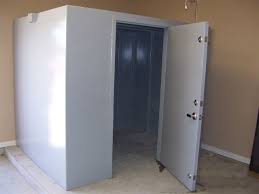
Particularly in areas prone to natural disasters or where there is a heightened risk of home invasions or violence, installing a safe room can offer peace of mind and potentially life-saving protection. Utilizing advanced locking mechanisms and communication devices within these spaces can further enhance their effectiveness in providing a secure sanctuary when needed most. The decision to install a safe room should be driven by thorough risk assessment and an understanding of its role in mitigating potential threats, ultimately serving as an invaluable asset for personal safety and wellbeing.
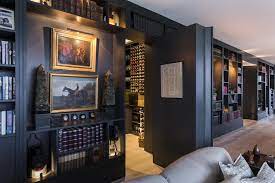
Assessing Your Needs
When assessing your needs for saferoom installation, it’s crucial to consider the specific risks and threats in your area. Whether you’re living in a region prone to natural disasters, high crime rates, or political instability, understanding the potential hazards will help you determine the level of protection required. Additionally, evaluating the size and layout of your property is essential when planning saferoom installation. A comprehensive assessment will allow you to identify vulnerabilities and develop a tailored solution that meets your unique safety requirements.
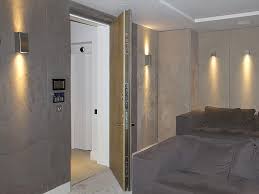
Furthermore, considering the practical aspects of saferoom usage is vital during the assessment process. Think about how many people will need shelter in case of an emergency, as well as any special considerations such as medical needs or pets. Understanding these factors can ensure that your saferoom accommodates everyone effectively and addresses any specific concerns that may arise during an emergency situation. By carefully assessing these various elements, you can make informed decisions regarding saferoom installation based on your individual circumstances and needs.
Choosing the Right Location
When choosing the right location for saferoom installation, it’s crucial to consider not only the physical space but also the surrounding environment. A common misconception is that a saferoom should be tucked away in a hidden corner of the house for security reasons, but experts suggest placing it in a central and easily accessible area. This allows for quick and easy access during an emergency while minimizing the risk of getting trapped by debris or structural damage.
Furthermore, assessing the potential risks and vulnerabilities of different locations can significantly impact your decision. For instance, a basement may seem like an ideal spot, but if it is prone to flooding or lacks proper ventilation, it may not be suitable. On the other hand, choosing a room on an upper floor with reinforced walls and limited windows could offer greater protection against various threats.

In addition to physical considerations, evaluating the psychological aspect of location selection is equally important. Placing a saferoom in an area that provides comfort and familiar surroundings can help alleviate anxiety during high-stress situations. Ultimately, finding the right location involves weighing multiple factors to ensure optimal safety and peace of mind.
Safety Features and Considerations
When it comes to creating a safe and secure environment, one of the most essential considerations is the installation of a saferoom. These rooms are specifically designed to provide protection in case of natural disasters, home invasions, or other emergencies. Saferooms can be built with reinforced walls and doors, allowing occupants to find refuge and safety within their own homes. Moreover, advanced security systems can be integrated into these rooms, providing an added layer of protection and peace of mind.https://en.wikipedia.org/wiki/Safe_room
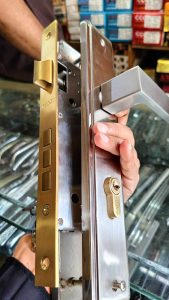
In addition to saferoom installations, it’s crucial to consider other safety features within residential or commercial spaces. This includes the use of smart locks, surveillance cameras, and motion-sensor lighting. These modern technologies not only deter potential intruders but also provide real-time monitoring for homeowners or business owners. By staying up-to-date with the latest safety features and considerations, individuals can ensure that their living or working spaces remain well-protected against unforeseen threats.